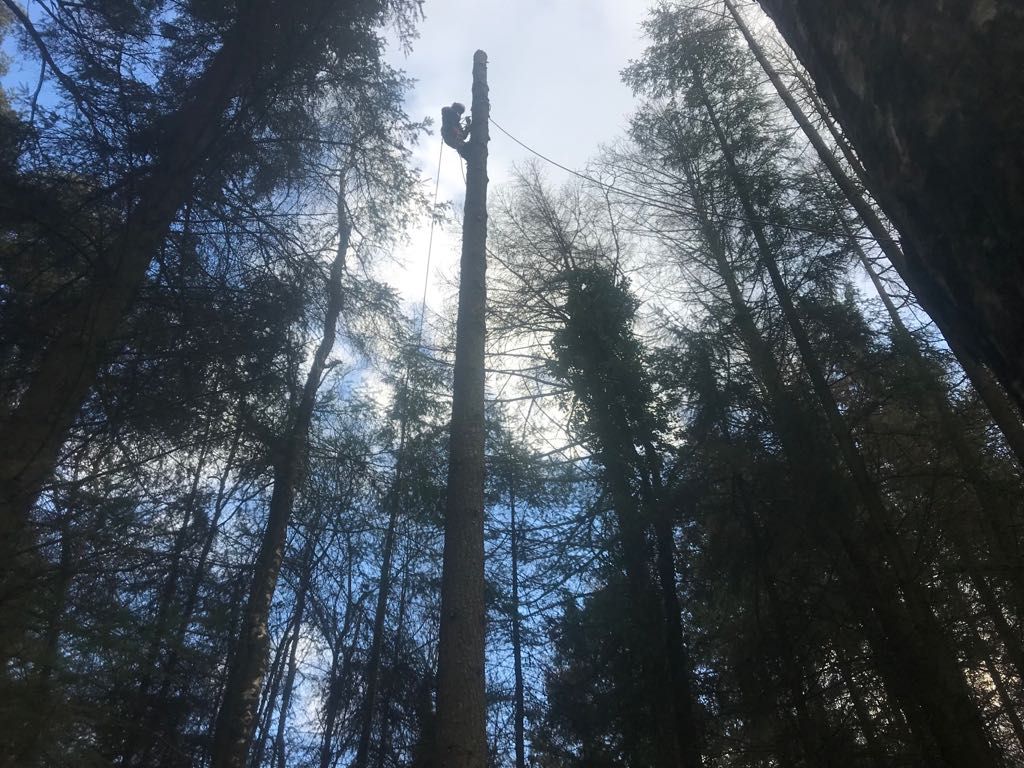
Do You Need Permission for Tree Surgery in Exeter? A Clear Guide for Homeowners
Carrying out work on trees is not always as straightforward as it seems. In many cases, trees are legally protected, and undertaking work without permission can lead to serious consequences.
For homeowners in Exeter, understanding when permission is required is essential before any cutting, pruning or removal takes place. This guide explains the key rules and when professional advice becomes important.
When permission is required
In the UK, certain trees are protected under local planning regulations. If a tree is protected, you usually need approval from your local authority before carrying out work.
Tree Preservation Orders (TPOs)
A Tree Preservation Order is applied by the local council to protect specific trees or groups of trees that provide public value.
If a tree has a TPO, you must apply for permission before:
- Cutting branches
- Reducing the size of the tree
- Removing the tree entirely
- Carrying out any work that could affect its health
Carrying out work without approval can result in significant fines.
Conservation areas
Many parts of Exeter fall within designated conservation areas. Trees within these areas are automatically protected if they meet certain size criteria.
If your tree is in a conservation area, you are usually required to:
- Provide written notice (typically 6 weeks) before starting work
This allows the council to assess whether further protection should be applied.
When permission may not be required
Not all tree work needs approval. In some situations, work can proceed without formal permission.
This may include:
- Trees that are not protected by a TPO
- Trees outside conservation areas
- Minor maintenance work, depending on the situation
However, it is always important to confirm the status of a tree before proceeding.
Emergency work and safety concerns
There are circumstances where tree work may be carried out without prior permission, particularly when safety is at risk.
This includes situations where a tree is:
- Dead
- Dangerous
- Causing immediate risk to people or property
Even in these cases, evidence may be required to justify the work. Taking photographs or seeking professional assessment beforehand is strongly recommended.
Who is responsible for checking?
The responsibility for checking whether permission is required usually lies with the property owner. However, many homeowners are unsure how to do this or what rules apply.
This is where professional guidance becomes particularly valuable. An experienced tree surgeon in Exeter can help:
- Identify whether a tree is protected
- Interpret local regulations
- Advise on the correct process before work begins
Why it’s important to get it right
Failing to follow the correct procedures can lead to:
- Legal penalties
- Enforcement action
- Requirement to replant trees
- Delays in completing necessary work
More importantly, protections are in place to preserve the character of local areas and support wildlife, so working within the rules benefits both homeowners and the wider environment.
How tree work is approached professionally
Tree care is not just about cutting back growth. It involves structured assessment, correct techniques and an understanding of both legal and environmental factors.
If you would like to understand how this type of work is typically approached, you can read more about tree surgery and what it includes before any decisions are made.
When to seek advice
If you are unsure whether your tree is protected, it is always safest to check before carrying out any work.
Professional advice is particularly valuable when:
- A tree is close to buildings or roads
- Work involves significant pruning or removal
- You are unsure whether the tree is protected
- The tree has been damaged or is in decline
Speaking to a qualified tree surgeon in Exeter ensures that both safety and legal requirements are considered before any action is taken.
Frequently Asked Questions About Tree Surgery Permission
In some cases, yes. If a tree is protected by a Tree Preservation Order (TPO) or located within a conservation area, you will usually need permission from the local council before carrying out work.
You can check with Exeter City Council or search local planning records online. A professional arborist can also help confirm whether a tree is protected before any work begins.
A Tree Preservation Order is a legal protection placed on trees that offer public value. It prevents unauthorised cutting, pruning or removal, helping preserve local landscapes and wildlife habitats.
You typically need to give the local authority six weeks’ written notice before carrying out work on trees in conservation areas. This allows them to decide if further protection is required.
Unauthorised work on protected trees can result in fines, enforcement action and a requirement to replant. It’s important to check the status of a tree before starting any work.
Yes, in situations where a tree is dead or poses an immediate safety risk, work may be allowed without prior approval. However, evidence is usually required to justify the decision, so documentation is important.
No. Only trees with a TPO or those within conservation areas are protected. However, it’s essential to confirm this before carrying out work, as protections are not always obvious.
The responsibility usually falls on the property owner. However, many people seek advice from a tree surgeon in Exeter to ensure all legal requirements are met before proceeding.
Yes. Experienced professionals can advise on whether permission is needed and may assist with the application process, helping ensure the correct procedures are followed.
Final thought
Tree protection laws can seem complex, but they exist to balance safety, property needs and environmental value. Taking the time to check whether permission is required helps avoid unnecessary risk and ensures work is carried out responsibly.
Understanding the rules is the first step. Acting on them correctly is what protects both your property and the trees around it.