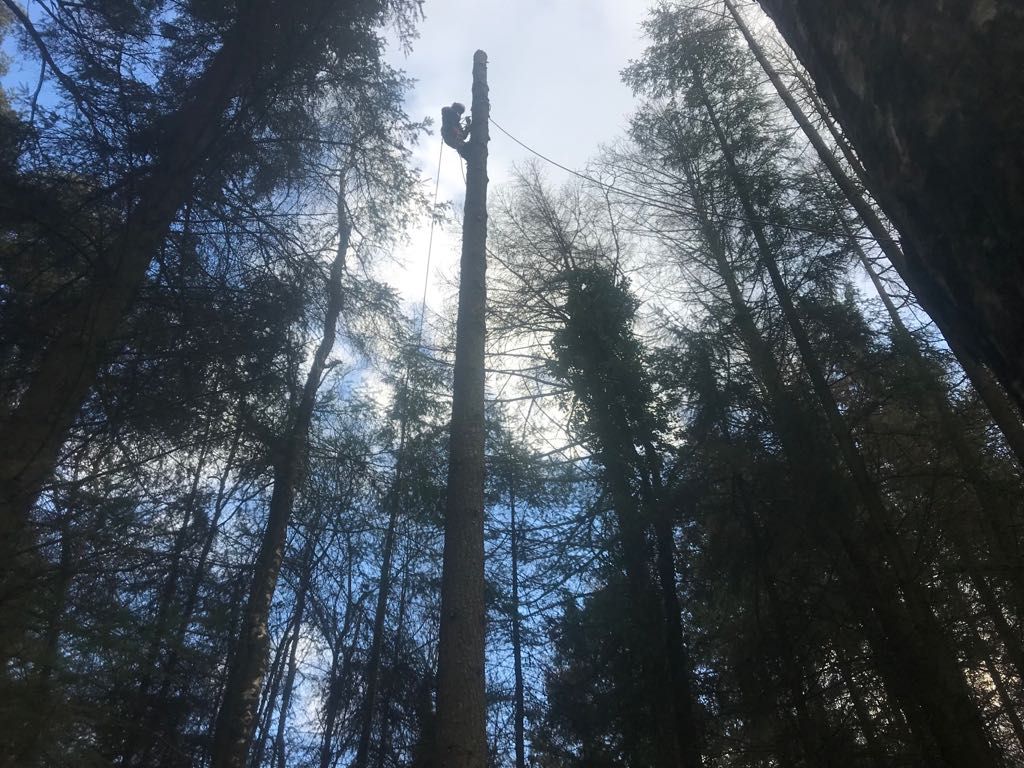
Guide to Tree Pollarding
If you’ve ever noticed trees with thick, knobby trunks and short, stubby branches, you’ve likely seen pollarding in action. But what is pollarding a tree, exactly? And more importantly – can pollarding kill a tree if done wrong? Let’s dive into this ancient pruning technique and uncover everything you need to know.
What Is Pollarding a Tree?
Pollarding is a pruning method where the upper branches of a tree are cut back to the trunk or main limbs, encouraging a dense head of new shoots. Unlike regular trimming, pollarding is done repeatedly (usually every few years) to maintain a tree’s compact shape.
This technique has been used for centuries – originally to produce firewood and fodder (a practice known as coppice and pollard). Today, it’s popular for:
- Controlling tree size in urban areas
- Preventing obstruction of power lines
- Encouraging lush, dense foliage
- Maintaining historical landscapes
Can Pollarding Kill a Tree?
The short answer? Only if done incorrectly. Pollarding is a drastic cut, and if performed on the wrong tree species or at the wrong time, it can stress or even kill the tree. However, when done properly, many trees thrive under pollarding and develop a unique, sculpted appearance.
Key mistakes to avoid:
- Pollarding mature trees that have never been pollarded before (they may not recover)
- Cutting too close to the trunk (can cause rot)
- Choosing species that don’t respond well (e.g., conifers)
Best Time to Pollard Trees
Timing is everything! The best time to pollard trees is in late winter or early spring, just before new growth begins. Why?
- Trees heal faster when active growth starts.
- Reduced risk of disease (fewer pests and fungi in cooler months).
- Less stress on the tree compared to summer cuts.
Some trees, like willows and limes, handle pollarding well, while others (like pines) do not. Always check if your tree species is suitable before starting.
Pollarding vs. Coppicing: What’s the Difference?
Both are traditional pruning methods, but they differ in approach:
- Pollarding = Cutting branches above grazing height (leaving a “head” of branches).
- Coppicing = Cutting the tree right down to the stump, encouraging regrowth from the base.
Coppicing is great for woodland management, while pollarding is ideal for street trees and gardens where you want height control.
Final Thoughts: Is Pollarding Right for Your Tree?
If you want to maintain a tree’s size, boost foliage density, or preserve a historic pruning style, pollarding could be the answer – as long as it’s done correctly. Always:
- Choose the right species (willow, oak, and plane trees respond well).
- Prune at the best time to pollard trees (late winter).
- Hire a professional arborist for large or mature trees.
At BelmonTrees, we specialise in expert pollarding to keep your trees healthy and beautiful. Need advice or a professional touch? Get in touch today.