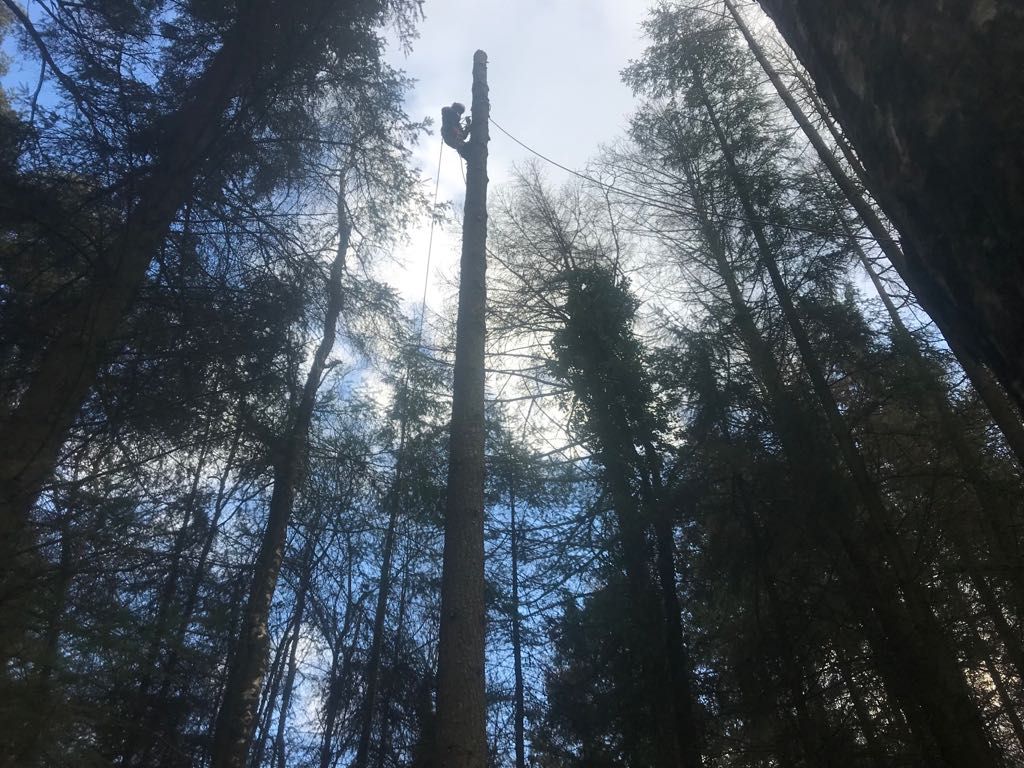
Top 10 Most Common Trees in the UK
Here at Belmontrees we’ve cared for thousands of the top 10 most common trees in the uk – from ancient oaks to urban street trees. Britain’s rich arboreal heritage includes some truly remarkable species, each with its own unique characteristics and maintenance requirements.
As professional tree surgeons, we regularly work with homeowners, local authorities and conservation groups to manage these trees responsibly. Whether you’re looking to identify a tree in your garden or understand its care needs, our guide to the UK’s 10 most common trees will give you valuable insights from our years of hands-on experience.
1. English Oak (Quercus robur)
The “King of British Trees”, the oak is a symbol of strength and longevity. These giants can live for centuries, providing vital habitats for wildlife. As tree surgeons, we often deal with oak crown reductions and deadwood removal – essential for safety without harming their majestic form.


2. Common Ash (Fraxinus excelsior)
The ash tree holds a special place in British woodlands, though we’ve sadly seen many succumb to ash dieback disease in recent years. When working with ash trees, we always conduct thorough health assessments to determine whether management or removal is necessary.
3. Silver Birch (Betula pendula)
We love the birch’s elegant silhouette and distinctive white bark. These fast-growing trees often need our attention for crown thinning to prevent storm damage, as their relatively weak branch unions can be vulnerable in high winds.


4. Horse Chestnut (Aesculus hippocastanum)
While children love collecting conkers, we’re often called to treat horse chestnuts suffering from leaf miner moth or bleeding canker. Proper pruning and care can help these stately trees thrive despite these challenges.
5. Sycamore (Acer pseudoplatanus)
In our experience, sycamores are both a blessing and a challenge. While excellent for quick screening and wind protection, we frequently help landowners manage their prolific self-seeding tendencies.


6. Beech (Fagus sylvatica)
We particularly admire mature beech trees for their smooth grey bark and dense canopy. These trees benefit from our professional thinning to reduce weight on extended limbs, preventing dangerous splits during storms.
7. Scots Pine (Pinus sylvestris)
As the UK’s only native pine, we often work with these trees in upland areas. Deadwooding is essential maintenance we perform to prevent unexpected branch drops from these otherwise resilient trees.


8. Hawthorn (Crataegus monogyna)
We regularly trim hawthorn hedges and specimen trees throughout the countryside. While their thorns demand careful handling, we value them for their wildlife benefits and seasonal beauty.
9. Holly (Ilex aquifolium)
This evergreen frequently appears in our winter work schedules. We carefully prune holly trees to maintain their shape while preserving their valuable berries for birds during the colder months.


10. Yew (Taxus baccata)
We approach ancient yews with particular respect – some churchyard specimens may be over 1,000 years old. Our work with these toxic but long-lived trees always follows strict safety protocols.
Why Professional Tree Care Matters
Through our daily work, we see how proper tree management preserves these natural treasures while keeping people and property safe. Each species requires specific care techniques that we’ve honed through years of training and practical experience.
We recommend regular inspections for all trees, particularly those near buildings or public spaces. Early intervention can prevent costly damage and help trees live longer, healthier lives.
At Belmontrees, we’re committed to preserving Britain’s trees for future generations. If you need advice or professional tree care services, we’re always happy to share our expertise.
Get in touch today for a consultation with our qualified arborists. Together, we can keep your trees healthy, safe and beautiful for years to come.