Tree Surgery Near Houses: What You Need to Know
Trees add character, shade and privacy to a property, but when they grow close to buildings, they require careful management. Without the right approach, trees can pose risks to roofs, walls, driveways and surrounding structures.
Understanding how tree work is carried out near houses helps homeowners make informed decisions and avoid unnecessary damage or safety concerns.
Why trees near buildings need careful management
Trees that grow close to houses are influenced by limited space, wind exposure and structural constraints. As trees mature, their size, weight and movement can affect nearby buildings.
Potential issues include:
- Branches overhanging roofs or gutters
- Contact with walls, windows or chimney stacks
- Root systems interacting with foundations
- Increased wind load on exposed limbs
Managing these factors requires a balanced approach that protects both the tree and the property.
For a broader understanding of how this type of work is approached, it helps to look at what’s involved in tree surgery.
Common risks homeowners overlook
Some of the most serious tree‑related problems develop gradually and are easy to miss early on.
Overhanging branches
Branches that extend over a roof can scrape tiles, block gutters and increase the risk of breakage during storms.
Falling limbs
Dead or weakened branches are more likely to fail, especially in high winds or heavy rain.
Root pressure
Tree roots can affect paving, driveways and, in some cases, nearby structures depending on soil type and conditions.
Structural imbalance
Trees growing unevenly toward light or away from obstacles can become unstable over time.
Signs your tree may be causing problems
It’s not always obvious when a tree is becoming an issue. Warning signs to look out for include:
- Branches touching or very close to buildings
- Cracks appearing in nearby surfaces
- Gutters frequently blocked with twigs or leaves
- Noticeable movement in strong winds
- Uneven ground or exposed roots
Spotting these early allows for more controlled, preventative action.
Why DIY cutting near houses is risky
Cutting or altering trees close to buildings is not the same as general garden maintenance. Small mistakes can have larger consequences.
Risks include:
- Uncontrolled falling branches
- Damage to roofs, windows or fencing
- Creating imbalance in the tree
- Personal injury from working at height
Even light pruning can cause long‑term issues if cuts are made incorrectly or at the wrong time.
How professionals manage risk safely
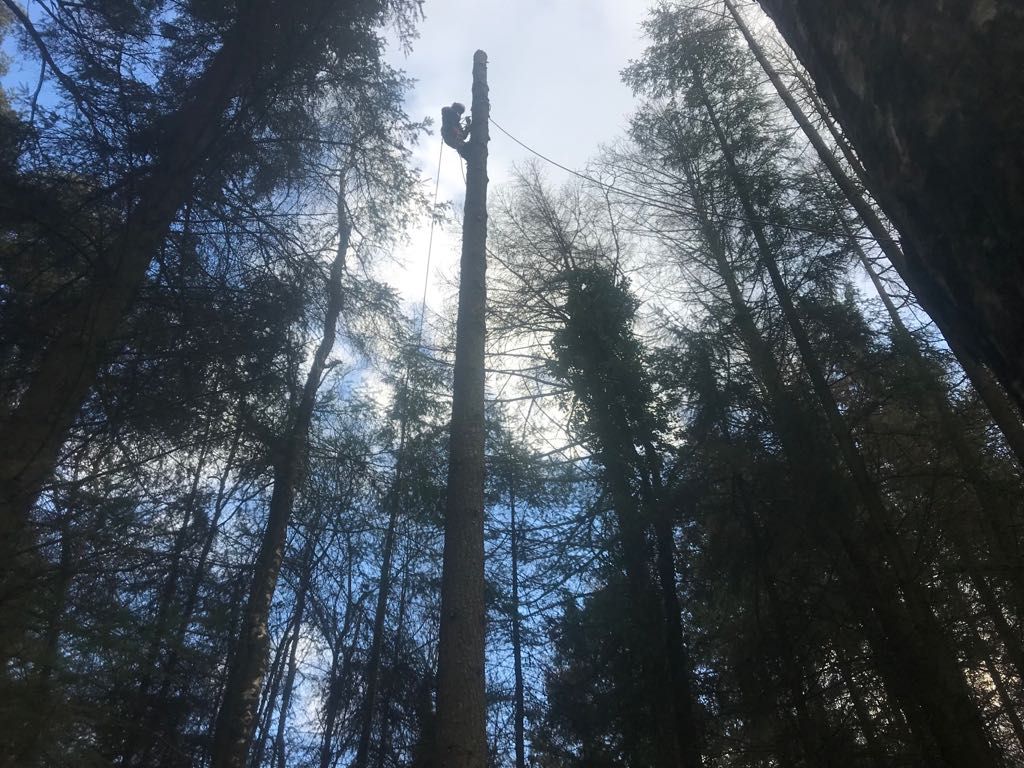
Working near structures requires planning, precision and the right equipment. Professional arborists use controlled techniques to ensure safety throughout the process.
This may involve:
- Sectional dismantling of branches
- Controlled lowering using ropes
- Careful positioning to avoid impact damage
- Ongoing assessment during the work
When carried out correctly, this allows trees to be managed safely without unnecessary removal.
When to seek expert advice
You should consider professional input when:
- A tree is close to your home or neighbouring properties
- Branches are overhanging roofs or driveways
- The tree is large or mature
- There are signs of damage, decay or instability
- Storms have recently affected the tree
In situations like these, working with a qualified tree surgeon in Exeter helps ensure that risks are properly assessed and managed.
Why early intervention matters
Addressing tree issues early can:
- Reduce the risk of property damage
- Prevent emergency situations
- Maintain tree health and structure
- Lower the need for more extensive work later
Trees close to buildings don’t always need major work, but they do need the right approach at the right time.
Frequently Asked Questions About Tree Surgery Near Houses
In some cases, tree roots can affect nearby structures, particularly in certain soil types. However, structural damage is less common than many people assume and usually depends on multiple factors.
There is no fixed distance, as different species grow at different rates and sizes. Larger trees generally require more space, especially as they mature.
Yes. Branches overhanging a roof can cause damage over time and increase the risk of breakage during storms. They may also block gutters or reduce light.
Minor trimming may be manageable, but anything involving height, heavy branches or structural changes carries risk. Work near buildings is best handled professionally.
Yes. Removing weak or overextended branches can reduce the likelihood of failure during high winds, helping protect nearby structures.
Not necessarily. Many trees can be safely managed rather than removed. Decisions should be based on condition, location and risk, rather than proximity alone.
Final thought
Trees near houses require a careful balance between preservation and safety. With the right management, they can continue to enhance a property without creating risk.
Understanding when to act and how work should be carried out ensures that both your home and your trees are properly protected.
To learn more about professional approaches, explore our guide to tree surgery, or speak with a tree surgeon in Exeter for advice specific to your property.