What Does Tree Surgery Include? A Full Breakdown for Homeowners
Tree surgery is often mentioned as a catch‑all term for professional tree care, but for homeowners it is not always clear what it actually involves. From safety‑critical work to long‑term tree management, tree surgery covers a wide range of techniques designed to protect trees, people and property, all of which are outlined in our overview of professional tree surgery.
This guide breaks down what is typically included under professional tree care, when different approaches are used and why trained specialists are essential for the work.
Tree inspection and assessment
Before any physical work begins, professional tree care usually starts with a detailed assessment.
This involves checking:
- Overall tree health and vigour
- Structural stability
- Signs of disease, decay or pests
- Proximity to buildings, roads and services
- Potential risks to people or property
The outcome of this inspection determines whether a tree requires light management, more substantial intervention or in some cases removal. For homeowners, this stage is critical. Many tree issues are not obvious from ground level, especially structural weaknesses or internal decay.
Pruning and selective cutting
One of the most common elements of tree surgery is selective pruning. This is not simply cutting branches at random, but a controlled process designed to benefit the tree and its surroundings. This type of planned work forms part of a wider approach to tree surgery, where method and timing are just as important as the cut itself.
Pruning may be carried out to:
- Remove dead or damaged branches
- Improve light penetration and air flow
- Reduce weight on overextended limbs
- Prevent branches interfering with buildings or roads
When done correctly, pruning supports long‑term tree health. Poor pruning, on the other hand, can permanently damage a tree or create safety risks. This is why technique and timing matter.
Crown management
Crown work relates to managing the upper structure of a tree. Different approaches are used depending on the species, age and location. These techniques sit within the broader scope of professional tree care and are explained in more detail on our tree surgery page, where different approaches and outcomes are covered.
Common forms of crown management include:
- Reducing overall size to improve safety and balance
- Thinning selected branches to reduce density
- Lifting lower branches to improve clearance
These techniques help trees coexist with homes, gardens and urban spaces without unnecessary removal. Done properly, crown management preserves the tree while reducing risk.
(A more detailed explanation of this type of work is covered in dedicated crown management guides and should link internally to the main Tree Surgery service page rather than repeating details here.)
Tree removal when necessary
Although preservation is usually the priority, there are situations where removal is the safest or most practical option.
Tree removal may be required when:
- A tree is dead or dying
- Structural integrity is compromised
- Disease cannot be controlled
- Storm damage has made a tree unsafe
Professional removal involves careful planning, controlled dismantling and specialised equipment, particularly when trees are close to buildings or public areas. This is not simply cutting down a tree, but a complex operation designed to manage risk.
Stump treatment and aftercare
Once a tree has been removed, the remaining stump can still cause problems. Left untreated, stumps may:
- Become trip hazards
- Attract pests or fungi
- Regrow shoots
- Interfere with landscaping
Grinding the stump below ground level is a common solution, allowing the area to be replanted or resurfaced. This work is often considered part of the overall tree care process rather than a standalone task.
Managing tree safety and risk
A major reason homeowners turn to professional tree care is risk management.
Trees are living structures that change over time. Storms, heavy rain and high winds can all increase the likelihood of failure, especially where hidden weaknesses exist. Regular assessment and appropriate intervention significantly reduce the chance of damage or injury.
This safety‑led aspect is one of the biggest differences between professional tree care and DIY attempts.
For homeowners who need on‑site assessment or practical help, working with a qualified tree surgeon in Exeter ensures these risks are managed professionally.
Working within legal and environmental constraints
Tree work in the UK is often subject to regulations. Some trees are protected through:
- Tree Preservation Orders
- Conservation area controls
Understanding how permissions apply in real settings is an important part of professional tree care, particularly when advice is tailored by an experienced tree surgeon in Exeter. This protects homeowners from legal issues as well as safeguarding local environments.
Why professional expertise matters
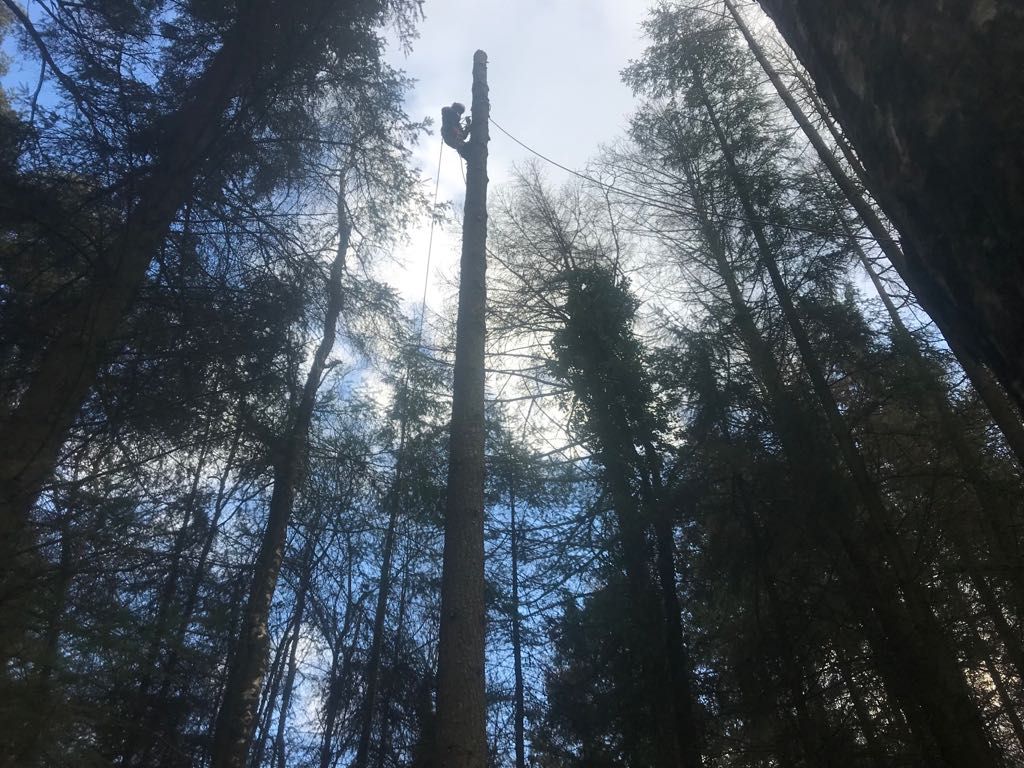
Tree care combines biological knowledge, practical skill and safety management. Working at height with heavy cutting equipment carries inherent risk, both to people and to property below.
Qualified professionals are trained to:
- Use appropriate techniques for different species
- Work safely in confined or complex spaces
- Protect the long‑term health of trees
- Manage risk during each stage of the work
For homeowners, this expertise provides peace of mind that work is being carried out responsibly and correctly.
How this fits into a wider tree care plan
Tree surgery is not always a one‑off activity. For many properties, especially those with mature or multiple trees, it forms part of an ongoing management plan.
Regular inspections and targeted work help prevent emergency situations and support healthy growth over time. This proactive approach is usually more cost‑effective and far less disruptive than reactive action after something goes wrong.
Frequently Asked Questions About Tree Surgery
Tree surgery refers to a range of professional practices used to manage, maintain and, when necessary, remove trees. It includes assessment, pruning, crown management, safety work and aftercare, all carried out with the long‑term health of the tree in mind.
No. Trees of any size or age may require professional care. Young trees often need formative pruning, while mature trees may require safety checks or management to prevent damage as they grow heavier or more exposed.
Common signs include dead or hanging branches, excessive movement in strong winds, visible cracks, fungal growth or branches touching buildings. A professional assessment helps identify risks that are not always visible from the ground.
Yes. Appropriate pruning and crown management reduce wind resistance and remove weak limbs, lowering the chance of branches or trees failing during storms. Preventative work is often safer and less disruptive than emergency action.
When carried out correctly, tree surgery supports long‑term tree health. Poor or excessive cutting can weaken a tree, which is why professional knowledge of species, growth patterns and timing is essential.
Not always. Many trees benefit from regular inspection and maintenance, particularly in residential areas. A planned approach helps manage growth, reduce risk and avoid costly emergency work later on.
Minor garden tasks may be suitable for homeowners, but work involving height, heavy cutting or structural changes carries significant risk. Incorrect techniques can damage trees or create safety hazards, so more complex work is best left to trained professionals.
Some trees are protected by Tree Preservation Orders or conservation area rules. Professional tree care providers understand these restrictions and can advise when permission may be needed before work begins.
Aftercare may include removing debris, managing regrowth or treating a remaining stump to allow replanting or landscaping. Ongoing monitoring ensures the tree continues to grow safely and healthily.
Final thought
Tree surgery includes far more than cutting branches. It is a structured, professional approach to managing trees safely, legally and sustainably in modern landscapes.
For homeowners seeking further detail on professional approaches, costs or when intervention is appropriate. You can explore this further in our full guide to tree surgery, or find local guidance from a tree surgeon in Exeter if you need professional support.