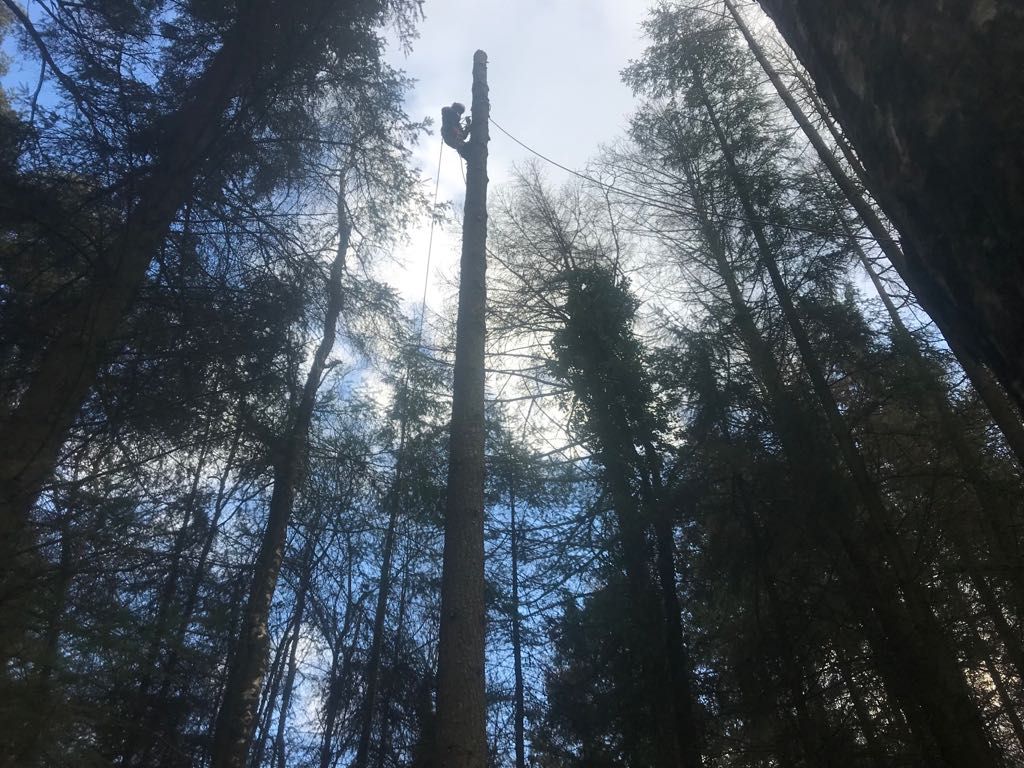
When Do You Need a Tree Surgeon? Key Signs Homeowners Shouldn’t Ignore
Trees are valuable features in gardens and landscapes, but they are also living structures that change over time. While some tree issues are obvious, others develop gradually and can be easy to miss until they become a risk.
Understanding when professional help is needed becomes clearer when you know what’s involved in tree surgery and how different issues are assessed. Below are some of the most common situations where expert assessment and intervention become important.
Dead, damaged or hanging branches
Branches that are dead, cracked or partially detached pose an immediate risk, particularly in windy conditions. Even smaller limbs can cause injury or property damage if they fall unexpectedly.
Deadwood is often a sign that part of the tree is no longer healthy, and removing it safely usually requires both experience and the right equipment.
Situations like this are typically managed as part of wider professional tree surgery, where safety and long‑term tree health are considered together.
Trees moving excessively in strong winds
It is normal for trees to sway, but excessive movement may indicate structural instability. This can result from weakened root systems, soil movement or internal decay within the trunk.
Excessive movement is often an early warning sign that a tree could fail under pressure, especially during storms or prolonged wet weather.
Visible cracks, splits or cavities
Cracks in the trunk or major limbs should never be ignored. They can suggest underlying weaknesses that may not be visible on the surface.
Cavities are another common concern. While not all hollow trees are unsafe, assessing their structural integrity requires professional knowledge to determine whether intervention is necessary.
Identifying whether intervention is required often depends on a structured approach like that used in tree surgery, rather than visual checks alone.
Fungal growth at the base or on the trunk
The presence of fungi, such as brackets or conks, can indicate decay within the tree. This type of decay often progresses internally before external signs become obvious.
Because fungal species affect trees in different ways, proper identification is essential when deciding on appropriate action.
Branches interfering with buildings, roads or power lines
Trees that have grown too close to structures or access routes may need controlled management to prevent damage.
Overhanging or rubbing branches can lead to:
- Damage to roofs or windows
- Blocked access routes
- Increased risk during bad weather
These situations are best addressed through planned, professional intervention rather than reactive cutting.
Trees affected by storm damage
After strong winds or heavy rainfall, trees can suffer hidden damage even if they appear intact. Split limbs, loosened roots or stressed structures may fail days or weeks later.
A professional inspection following severe weather helps identify problems early, reducing the likelihood of future emergencies. After severe weather, advice from a qualified tree surgeon in Exeter can help identify hidden issues before they become dangerous.
Leaning trees or exposed roots
A sudden or increasing lean, particularly when accompanied by exposed roots or soil lifting, can signal instability. This may be due to ground conditions, root failure or structural imbalance in the crown.
Early assessment is critical, as delayed action may limit the available options for managing the risk safely.
When previous work hasn’t been done correctly
Poorly executed tree work can weaken a tree and accelerate decline. Incorrect pruning cuts, excessive removal or improper timing often cause more harm than good.
If a tree has been worked on previously and is now showing signs of stress or abnormal growth, professional advice can help determine the best corrective approach.
Why early assessment matters
Many serious tree issues develop slowly. Addressing them early can:
- Reduce safety risks
- Avoid emergency situations
- Lower long‑term costs
- Improve tree health and longevity
Professional assessment provides clarity on whether monitoring, maintenance or more significant intervention is required. In residential areas, this type of early assessment is best carried out by a tree surgeon in Exeter who understands local conditions and tree species.
Knowing when to seek expert help
While minor garden tasks may be manageable for homeowners, anything involving height, heavy branches or structural concerns carries significant risk. Experienced professionals use specialist techniques to manage trees safely while protecting their health and surroundings.
If a tree shows any of the signs above, seeking expert guidance ensures decisions are based on knowledge rather than guesswork.
Frequently Asked Questions: Knowing When Professional Tree Help Is Needed
Signs that may indicate a safety issue include dead or hanging branches, visible cracks in the trunk, fungal growth, excessive movement in strong winds or soil lifting near the roots. Not all issues are obvious, so professional assessment is often needed.
Not necessarily. Some trees naturally grow at an angle, but a newly leaning tree or one that is moving more than usual can indicate root or structural problems. Changes over time are more concerning than long‑standing growth habits.
Yes. Dead or damaged branches can fall without warning, particularly during bad weather. Prompt removal reduces the risk of injury or property damage and helps prevent further stress to the tree.
In some cases, yes. Minor damage can often be managed with careful pruning and monitoring. However, storm damage can also expose hidden weaknesses, which is why inspection after severe weather is important.
No. Some fungi are harmless, while others indicate internal decay. Correct identification is essential, as the presence of fungi alone does not automatically mean a tree is unsafe.
Not always. MYou should consider professional advice if a tree is close to buildings, roads or footpaths, if damage appears to be worsening, or if you are unsure about its condition. Early assessment often prevents more serious problems later.
Yes. Addressing issues early can reduce safety risks, lower long‑term costs and avoid emergency situations. Proactive care helps maintain tree health and stability over time.
Yes. Incorrect or excessive cutting can weaken a tree and create structural or health issues. If a tree shows unusual growth or decline following earlier work, professional evaluation can help determine appropriate next steps.
Final thought
Trees play an important role in residential environments, but they also require care and attention as they grow. Understanding when professional involvement is needed helps homeowners act decisively, protecting both people and property while preserving valuable trees wherever possible.
You can learn more about how these situations are handled in practice through our guide to tree surgery, or by speaking with a qualified tree surgeon in Exeter for advice tailored to your property.