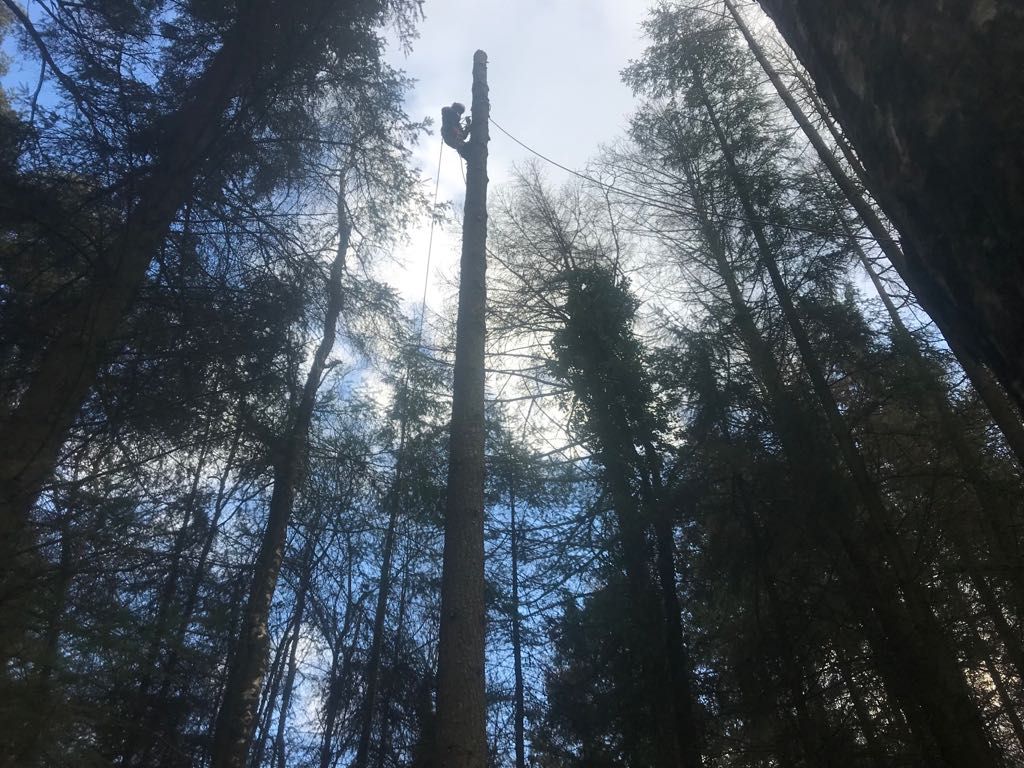
Crown Lifting vs Crown Reduction – Which Is Right for Your Trees?
Maintaining mature trees is a balance of safety, health, and appearance. Two techniques often recommended by professional tree surgeons are crown lifting and crown reduction. While the names sound similar, they serve different purposes and suit different situations. Understanding the difference will help you choose the right service for your garden or grounds.
What is crown lifting?
Crown lifting is the selective removal of the tree’s lower branches to increase clearance between the ground and the canopy. It’s commonly used to:
- Improve access for pedestrians and vehicles
- Clear sight lines along roads and driveways
- Let more light reach lawns, borders, and pathways
Because the work focuses on the lower part of the canopy, the overall height of the tree stays much the same. Good practice is to avoid taking off large limbs directly from the trunk where possible, as big wounds can invite decay and compromise stability. For most species, careful lifting of smaller lower branches produces the best results and preserves the tree’s natural form.
What is crown reduction?
Crown reduction decreases the overall size of the canopy by shortening selected branches across the top and sides. It’s typically specified when a tree has outgrown its space or is encroaching on buildings, power lines, or neighbouring trees. Reduction can also lower wind loading on vulnerable specimens and reduce the chance of limb failure in storms.
A proper reduction respects the tree’s structure. Rather than topping or cutting back to stubs, branches are shortened to suitable growth points to maintain a balanced outline. The aim is to keep the natural shape while reducing height and spread to a manageable size.
Key differences at a glance
- Objective
- Crown lifting: create clearance underneath
- Crown reduction: make the canopy smaller overall
- Primary benefits
- Crown lifting: better access and visibility, improved light at ground level
- Crown reduction: reduced encroachment, lower wind loading, improved safety around structures
- Where each shines
- Crown lifting: over pavements, roads, parking areas, garden paths
- Crown reduction: tight urban gardens, near roofs and gutters, around telecoms lines or solar panels
Benefits and risks to consider
Crown lifting
Benefits
- Frees space beneath the tree for people, vehicles, and garden use
- Allows more daylight into shaded beds and lawns
- Can provide a cleaner, more elegant view of the trunk and upper canopy
Risks if done poorly
- Overlifting can create a tall, top‑heavy crown that catches more wind
- Large wounds near the trunk raise the risk of decay
- Excess removal in one go may stress the tree
Best practice
- Lift gradually over several seasons on sensitive species
- Remove smaller branches first, avoiding big cuts into the stem
- Keep a balanced canopy and avoid a “lollipop” look
Crown reduction
Benefits
- Helps a tree fit the space without felling
- Reduces risk of branches striking roofs, gutters, or glazing
- Lowers leverage on weak unions and heavy limbs
Risks if done poorly
- Topping or cutting to stubs can stimulate weak epicormic regrowth
- Excessive reduction may shock the tree and invite disease
- Unbalanced cuts can spoil the natural form
Best practice
- Reduce to suitable lateral growth points, not stubs
- Keep reductions modest and proportionate to species and age
- Work within recognised guidelines for percentage removal
When to choose crown lifting vs crown reduction
- Access problems under the canopy
Low branches brushing cars, blocking footpaths, or shading a patio? Crown lifting is the straightforward solution. - Space or safety issues around the canopy
Branch tips overhanging roofs, pressing on neighbours, or interfering with lines? Crown reduction is appropriate. - Light management
If the aim is more daylight on beds and lawn, both can help. Lifting opens space underneath, whereas reduction allows more sun around the edges and over the top. A light touch of each can sometimes be combined to meet the brief. - Species and form
Upright species like beech or oak can take modest lifting without looking odd, provided cuts are sensible. Broad, spreading trees like willow may respond better to careful reduction to keep the crown compact. Always tailor the approach to the species and the individual tree.
Timing and aftercare
Most structural pruning is best done during late winter or early spring before vigorous growth begins, though timing varies by species and local conditions. Avoid heavy pruning during periods of drought or severe frost. After the work:
- Monitor regrowth for balance and vigour over the next season
- Mulch and water during dry spells to support recovery
- Schedule light maintenance rather than large one‑off interventions
Legal considerations in the UK
Before any work, check whether the tree is covered by a Tree Preservation Order (TPO) or lies within a Conservation Area. Consent is required for most pruning on protected trees. Even where trees are not protected, it’s wise to discuss plans with neighbours if branches extend over boundaries. Professional tree surgeons will advise on permissions and ensure works comply with local regulations and British Standards.
Costs and why professional help matters
Prices vary with tree size, access, species, and scope of work. Lifting small ornamental trees is typically quicker and cheaper than reducing large mature specimens. More complex jobs may require climbing teams, rigging, and traffic or pedestrian management.
A qualified arborist will:
- Assess tree health and structural integrity
- Recommend the minimum effective intervention
- Make correct pruning cuts to promote natural healing
- Manage safety for people, property, and wildlife
FAQs
Yes. A light lift to clear paths plus a modest reduction to trim back overhang can be a practical, sympathetic solution.
Not if done carefully. Avoid removing large limbs at the trunk and keep lifts gradual. Good cuts to smaller branches reduce stress and the chance of decay.
There’s no fixed schedule. Many trees benefit from a modest reduction every few years, but frequency depends on growth rate, species, and site conditions. Your tree surgeon will advise after inspection.
How Belmontrees can help
If you’re unsure which technique suits your tree, we can assess the site, listen to your goals, and recommend the safest, most efficient option. Our team is experienced across Devon in sympathetic pruning that protects tree health and improves everyday use of gardens and grounds.
Useful reads on Belmontrees
- What Is Crown Reduction of Trees?
- Guide to Tree Pollarding
- Do I Need Permission to Remove a Tree?
- What Is a Tree Surgeon?
Ready to improve access or reduce overhang safely?
Get in touch with Belmontrees to discuss crown lifting, crown reduction, or a tailored plan for your trees.