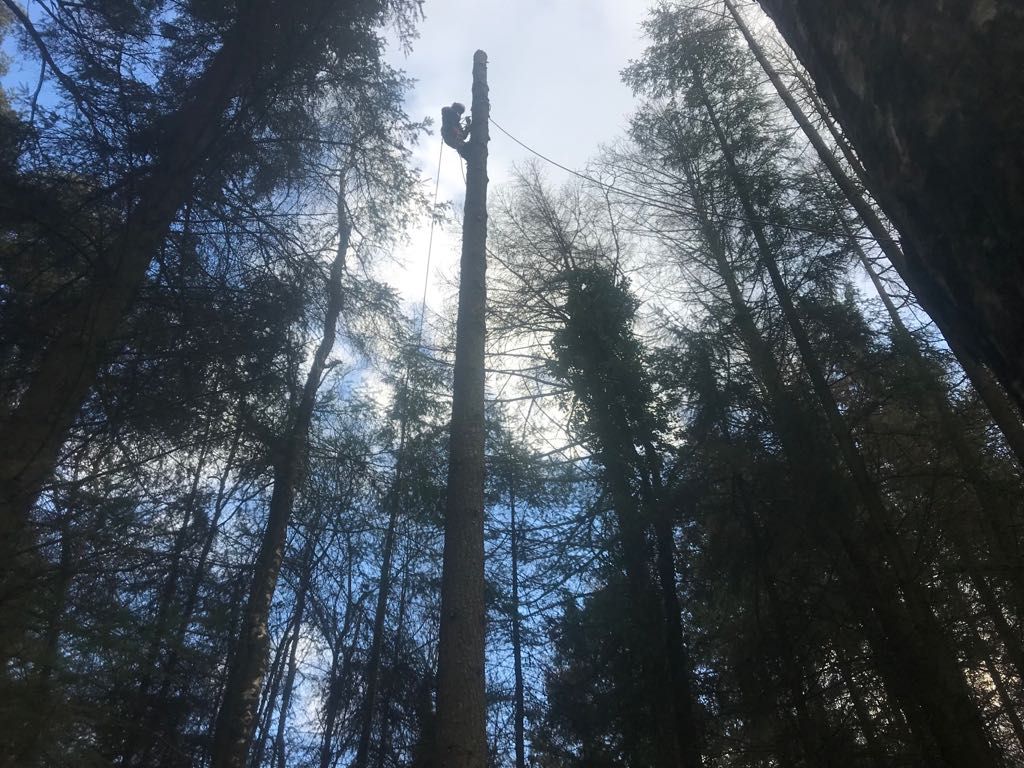
Is Tree Surgery Dangerous? Why Experience Matters
Trees add beauty, shade and character to outdoor spaces, but working on them can be far more hazardous than many homeowners realise. From climbing at height to handling heavy branches and specialist equipment, tree work involves risks that require careful planning and professional expertise.
While routine maintenance can help keep trees healthy and safe, carrying out tree work without the right knowledge can increase the risk of injury, property damage and long-term harm to the tree itself.
Why tree work carries risks
Trees are living structures that vary greatly in size, condition and stability. Unlike many other outdoor tasks, every tree presents its own unique challenges.
Factors that can increase risk include:
- Tree height and spread
- Hidden decay or structural weaknesses
- Proximity to buildings
- Overhead power lines
- Weather conditions
- Difficult ground access
Even a seemingly straightforward task can become more complex once the condition of a tree is properly assessed.
For a broader understanding of the different types of work involved, take a look at our guide to tree surgery.
Working at height is inherently dangerous
Many tree care operations require working several metres above the ground using ropes, harnesses and climbing equipment.
When working at height, there is an increased risk of:
- Falls
- Slips on wet surfaces
- Equipment failure
- Unexpected branch movement
Professional arborists receive specialist training to work safely in these environments while maintaining control throughout the process.
Heavy branches can behave unpredictably
One of the biggest misconceptions about tree work is that branches will fall exactly where expected.
In reality, branches can:
- Twist during descent
- Break unexpectedly
- Strike other limbs
- Bounce after impact
The larger the branch, the greater the potential consequences if something goes wrong.
This is particularly important when trees are growing close to homes, driveways or public spaces.
Hidden defects aren’t always visible
A tree may appear healthy from the outside while concealing significant internal issues.
Common examples include:
- Internal decay
- Hollow trunks
- Weak branch unions
- Root damage
- Fungal infection
These issues can affect how a tree responds during pruning or removal and may increase the likelihood of failure during work.
Understanding how to identify these warning signs comes with training and experience rather than visual observation alone.
Chainsaws and specialist equipment require expertise
Modern tree care relies on a range of specialist tools and machinery. While these allow work to be completed efficiently, they also introduce additional safety considerations.
Equipment commonly used includes:
- Chainsaws
- Pole saws
- Wood chippers
- Rigging systems
- Climbing gear
- Stump grinding machinery
Safe use requires both technical knowledge and practical experience, particularly when working in confined spaces or around property.
Trees near houses create additional challenges
Working on trees close to buildings often requires a more controlled approach.
Potential hazards include:
- Falling branches damaging roofs
- Impact to windows or vehicles
- Damage to fencing and garden structures
- Restricted working areas
This is why tree work near homes is rarely as simple as cutting branches and letting them fall naturally.
If you’re concerned about a tree in close proximity to your property, our guide to tree surgery near houses explains the considerations in more detail.
Why experience makes such a difference
Professional tree work is about far more than using the right tools.
Experienced arborists understand:
- How different tree species respond to pruning
- How weight distribution affects branch movement
- How to identify structural weaknesses
- How to manage risks before work begins
- How to preserve long-term tree health
This experience helps ensure that the right solution is chosen rather than simply the quickest one.
The risks of poorly executed tree work
Incorrect tree work can create problems for both the tree and surrounding property.
Potential outcomes include:
- Increased risk of branch failure
- Unbalanced growth
- Disease entering through poor cuts
- Damage to nearby structures
- Shortened tree lifespan
In many cases, poorly executed work can lead to more extensive intervention being required in the future.
Planning is just as important as the work itself
One of the biggest differences between professional and DIY tree work is the amount of planning involved.
Before any work begins, experienced professionals will consider:
- Tree condition
- Access requirements
- Nearby hazards
- Weather conditions
- Appropriate cutting methods
- Safe disposal of materials
This preparation helps minimise risk and ensures the work is completed efficiently.
When should you seek professional advice?
Professional guidance should always be considered when:
- A tree is close to a building
- Branches are overhanging public areas
- There are signs of damage or decay
- Storms have recently caused disruption
- Work requires climbing or specialist equipment
In these situations, speaking with a qualified tree surgeon in Exeter can provide reassurance and help determine the best course of action.
Frequently Asked Questions About Tree Surgery Safety
Tree surgery involves working at height, handling heavy branches and using specialist equipment, all of which carry risks. Proper training, planning and equipment help professionals manage these risks safely.
Working at height and controlling large sections of timber are often considered the most challenging aspects of tree work, particularly when trees are close to buildings or public areas.
Small maintenance tasks may be manageable, but larger branches, climbing work and structural pruning can be hazardous. Improper cutting can also damage the tree.
Ropes and rigging systems allow branches to be lowered in a controlled manner, reducing the risk of damage to nearby property and improving safety throughout the operation.
Yes. Hidden decay, structural weaknesses or storm damage can affect the stability of a tree. This is why assessment before work begins is so important.
Trees growing close to buildings present additional challenges because there is less margin for error. Controlled techniques are often required to prevent damage.
Risk is reduced through planning, specialist training, correct equipment, site assessments and careful execution throughout every stage of the work.
Yes. Incorrect pruning or poorly planned work can weaken a tree, encourage disease and increase the likelihood of future structural issues.
Final thought
Tree surgery can be dangerous when carried out without the right training, equipment or planning. However, when performed by experienced professionals, it provides a safe and effective way to manage trees, protect property and preserve long-term tree health.
Understanding the risks involved helps homeowners make informed decisions and ensures that work is completed safely, responsibly and with the future of the tree in mind.
To learn more about professional tree care, explore our guide to tree surgery or speak to a tree surgeon in Exeter for advice tailored to your property.