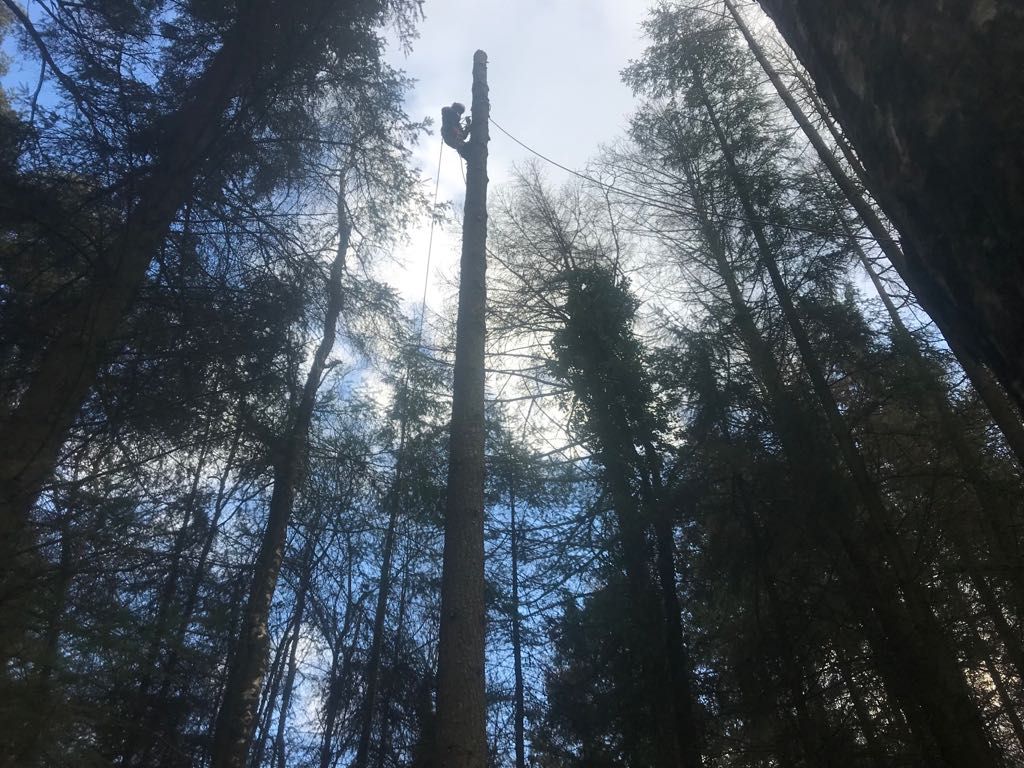
Signs an Oak Tree Needs Tree Surgery
Oak trees are among the most impressive and long-lived trees in the British landscape. Many mature specimens can thrive for centuries with very little intervention. However, like all living organisms, oak trees can develop structural weaknesses, storm damage, disease and other issues that may require professional attention.
Recognising the warning signs early can help protect both the tree and the people and property around it.
Why Oak Trees Need Regular Inspection
Mature oak trees can reach heights of up to 40 metres and develop substantial canopies over time. While this makes them magnificent landscape features, it also means that defects or damage can have significant consequences if left unmanaged.
Regular inspections can help identify:
- Dead or dangerous branches
- Structural weaknesses
- Disease or decay
- Storm damage
- Overextended limbs
- Safety risks to nearby buildings, roads and footpaths
Early intervention is often more cost-effective than dealing with a major failure later.
Dead or Dying Branches
One of the most common indicators that an oak tree may require professional tree surgery is the presence of deadwood.
Warning signs include:
- Branches with no leaves during the growing season
- Bark peeling away from limbs
- Brittle branches that snap easily
- Large dead sections within the crown
Dead branches can become hazardous, particularly during periods of high wind, and may require careful removal by a qualified tree surgeon.
Large Branches Overhanging Buildings
Oak trees naturally produce large, heavy limbs that can extend over:
- Houses
- Conservatories
- Garages
- Roads
- Driveways
- Neighbouring properties
While overhanging branches are not necessarily dangerous, excessive weight or poor branch structure can increase the risk of failure.
In many cases, carefully planned crown reduction or selective pruning can help reduce pressure on vulnerable limbs while preserving the health and appearance of the tree.
Cracks or Splits in Major Limbs
Visible cracks in large branches or the main trunk should never be ignored.
These can develop due to:
- Storm damage
- Excessive weight
- Previous pruning wounds
- Natural growth stresses
Even a seemingly minor crack can indicate a more significant structural weakness within the tree.
Professional inspection can determine whether remedial work is necessary to reduce the risk of branch failure.
Storm Damage Following High Winds
Devon regularly experiences periods of strong wind and severe weather.
Following a storm, check your oak tree for:
- Broken branches
- Hanging limbs
- Fresh cracks
- Split stems
- Damage to the canopy structure
- Leaning that wasn’t present before
Not all storm damage is immediately obvious. A tree may appear healthy while concealing hidden structural defects that become more serious over time.
Signs of Decay or Disease
Although oak trees are exceptionally resilient, they can still be affected by fungal decay and disease.
Potential warning signs include:
- Cavities in the trunk
- Areas of soft or decaying wood
- Fungal growth around the base
- Unusual bark damage
- Excessive dieback in the canopy
- Early leaf loss
Decay does not automatically mean a tree must be removed. In many cases, appropriate management can help retain a valuable mature specimen while reducing associated risks. Professional tree surgery can often help manage structural issues without removing the tree entirely.
The Crown Has Become Too Large
As oak trees mature, their canopies can become extremely broad and dense.
An oversized crown may:
- Reduce light reaching gardens or properties
- Create excessive wind loading
- Increase stress on major limbs
- Overhang neighbouring land
Professional crown management can help maintain a healthy balance between preserving the tree and addressing practical concerns. In many cases, carefully planned crown reduction can reduce weight while maintaining the health of the tree.
The Tree Is Leaning
Not all leaning trees are dangerous. Many mature oaks naturally grow at an angle and remain perfectly stable.
However, if you notice:
- A sudden change in lean
- Soil lifting around the base
- Exposed roots
- Cracking ground
- Movement during windy weather
it is important to seek professional advice as soon as possible.
These may be signs of root instability or structural failure.
Protected Oak Trees Require Special Consideration
Many mature oak trees are protected by Tree Preservation Orders (TPOs) or are located within Conservation Areas.
Before carrying out any pruning, reduction or removal work, it is important to establish whether legal restrictions apply.
If you’re unsure, professional guidance can help ensure any proposed work complies with local regulations.
You may also find our guide helpful:
Do You Need Permission for Tree Surgery in Exeter?
Read our guide to Tree Preservation Orders and tree surgery permissions in Exeter.
Can an Oak Tree Be Saved?
In many cases, yes.
Property owners are often surprised to learn that problems such as deadwood, storm damage or excessive crown growth can frequently be managed without removing the tree.
Potential solutions may include:
- Crown reduction
- Crown thinning
- Deadwood removal
- Structural pruning
- Ongoing monitoring
- Tree safety inspections
The most appropriate approach will depend on the age, condition and location of the tree.
When to Contact a Tree Surgeon
You should consider contacting a tree surgeon to arrrange a professional inspection if:
- Large dead branches are present
- The tree has suffered storm damage
- You notice cracks or splits in major limbs
- Fungal growth appears on the trunk or roots
- The tree is close to buildings or public areas
- The canopy has become excessively large
- You are concerned about the tree’s safety
Prompt advice can help preserve a valuable mature oak while addressing any potential risks before they develop into larger problems.
Frequently Asked Questions About Oak Tree Surgery
Common signs of an unhealthy oak tree include dead branches, sparse leaf growth, fungal growth on the trunk, cracks in major limbs, bark loss and excessive dieback in the canopy. If you’re concerned about the condition of your tree, a professional inspection can identify potential issues before they become serious.
Yes. Oak trees can be pruned to remove deadwood, improve structure or reduce risk. However, pruning should be carried out carefully to maintain the tree’s long-term health and natural form.
The ideal timing will depend on the tree’s condition and the type of work required. In many cases, pruning is carried out during the dormant season, although safety-related work can be undertaken whenever necessary.
Some oak trees are protected by Tree Preservation Orders (TPOs) or are located within Conservation Areas. It is important to check whether any restrictions apply before undertaking significant tree work.
Not all diseases require tree removal. Many oak trees can be retained through careful management, monitoring and targeted pruning. Early diagnosis often gives the best chance of preserving the tree.
Crown reduction is a pruning technique used to reduce the size and weight of a tree’s canopy while maintaining its natural appearance. It is commonly used on mature oak trees where branches have become too large or are affecting nearby structures.
You should seek professional advice if you notice large dead branches, storm damage, visible decay, fungal growth, cracks in major limbs or signs that the tree may pose a risk to people or property.