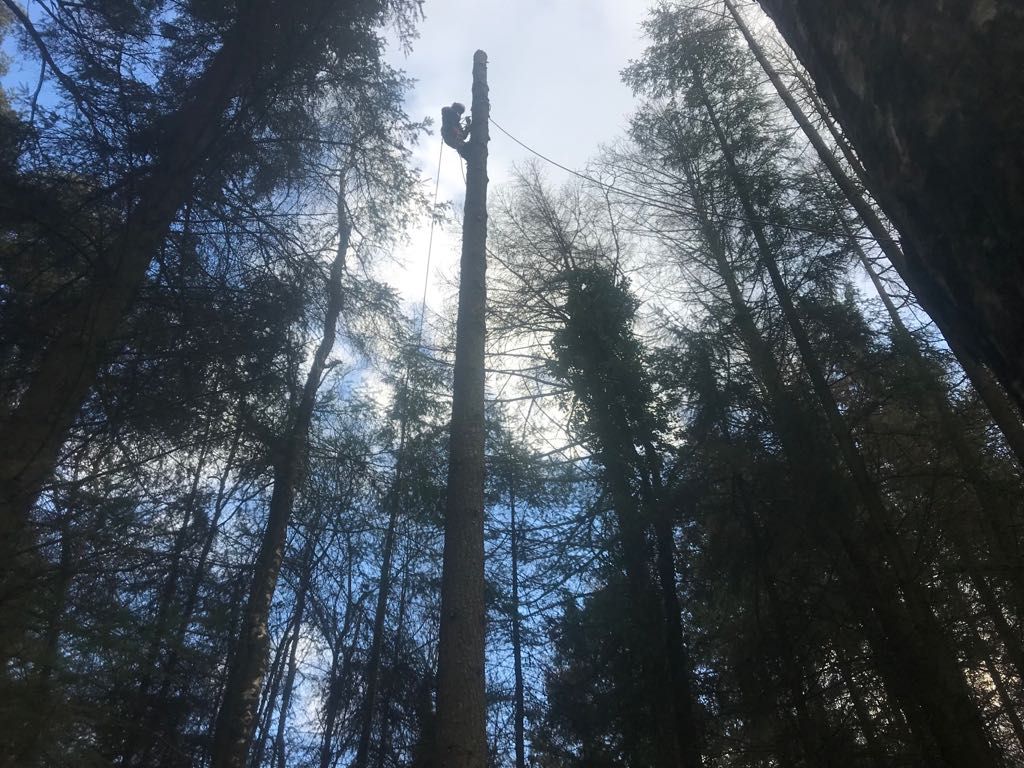
Stump Grinding in Exeter & Devon
From Risk Assessment to Replanting Success
Clearing a tree is only half the story. What you do with the stump determines how safe, usable and future‑proof your garden or site becomes. In Devon’s mixed soils and changeable weather, a smart stump strategy looks beyond removal to soil recovery, regrowth control and replanting. Here’s a comprehensive guide to stump grinding with a focus on preparation, aftercare and outcomes – tailored for Exeter homes, commercial sites and green spaces across the county.
Why the stump is more than an eyesore
A stump can act as a pivot for slips, a refuge for pests and a barrier to planting. In wetter months it also becomes slick underfoot. For developers or facilities teams around Exeter, a stump can complicate access for mowers, block new hard landscaping and delay planting windows. The aim is not simply to “remove what’s left” but to create a stable, plant‑ready footprint that won’t cause issues a season later.
Pre‑grind checks that save headaches
Before any grinding takes place, a professional team should run through a few essential checks:
- Underground services
Private utilities, shallow drainage runs and garden lighting cables are common in Devon plots. Locating and marking services prevents damage and keeps the work efficient. - Species‑led planning
Some species are notorious for stubborn root plates or vigorous suckering. Knowing what you’re dealing with informs grind depth and the decision to treat specific roots that could re‑shoot. - Access and ground protection
Devon gardens often have tight side passages or soft lawns. Using ground mats, smaller tracked grinders or sectional access plans avoids ruts and protects paths, borders and paving. - Arisings plan
Decide in advance whether you’ll retain chips as mulch or have them removed. Getting this right streamlines the tidy‑up and helps you move straight into planting or turfing.
How professional grinding creates a plant‑ready site
A stump grinder reduces the stump and part of the root flare to chipped material below soil level. The difference between a basic grind and a replant‑ready grind is attention to:
- Consistent depth so the area won’t sink later
- Feathered edges to blend with surrounding soil rather than leaving a sharp bowl
- Selective root tracing where surface roots threaten patios, walls or paths
- Clean boundaries around fences, sheds and services without collateral damage
The result is a level, stable footprint that can be backfilled and shaped immediately.
Aftercare: turning a ground stump into healthy soil
Grinding leaves a mixture of wood chips and soil. Chips are useful, but they decompose and can temporarily tie up nitrogen. That’s why aftercare matters:
- Remove excess chips from the planting hole if you intend to replant a tree
- Backfill with topsoil blended with mature compost to restore structure
- Add a slow‑release, soil‑friendly feed to balance early nitrogen drawdown
- Mulch the surface with composted bark or green waste, not fresh grindings
Handled well, the site won’t subside and new planting will establish quickly.
Regrowth control without harsh measures
Certain species can send up shoots from retained roots. To manage this without heavy chemicals:
- Grind wider than the stump diameter to disrupt key feeder roots
- Monitor for suckers during the first growing season and remove promptly
- Mulch deeply to suppress opportunistic shoots and weeds
- Choose replacement species with calmer root behaviour if replanting nearby
This approach keeps the area tidy and avoids a cycle of repeated cutting.
Replanting strategy for Devon conditions
Devon’s climate suits a wide range of trees and shrubs, but success starts with right plant, right place:
- For small Exeter gardens
Consider Amelanchier, ornamental cherries or compact crab apples that offer blossom and good autumn colour without overwhelming the space. - For coastal or exposed sites
Look at hawthorn, field maple or hornbeam for resilience and form. - For biodiversity wins
Native species like rowan and holly support birds and pollinators, fitting well into wildlife‑minded landscapes.
When replanting where a stump has been ground out, dig a new planting pit offset from the original stump footprint. This avoids residual woody material and gives roots the best start.
Sustainability: make the most of every chip
Stump grinding is a tidy, low‑waste process. Put the arisings to work:
- Mulch beds and borders to conserve moisture and suppress weeds
- Create woodland paths with a soft, natural finish
- Compost a portion for use next season once it has matured
Reusing material reduces green waste and supports healthier soil over time.
Safety and good practice you should expect
A competent stump grinding service will:
- Use modern, well‑maintained machinery suited to your access and stump size
- Implement safe exclusion zones with clear communication throughout
- Protect adjacent features with boards or ground mats
- Leave the site level, swept and ready for next steps
If a tree was protected, your contractor will also guide you on any permissions that applied to the original removal and keep work aligned with relevant standards.
Common myths — and what actually works
“If I leave it, the stump will rot away soon enough.”
Large stumps can linger for years, inviting fungi and making mowing awkward. Grinding solves the problem quickly and cleanly.
“I can burn it out at the weekend.”
Burning is unreliable, can damage surrounding soil and is often unsafe. It leaves roots intact and creates more mess than it clears.
“I’ll just throw soil on top and turf over it.”
Without grinding, the area sinks as the stump decays. You’ll be left with an uneven lawn and recurring issues.
Stump grinding for homes, businesses and public spaces
Whether it’s a single stump in a back garden, a line of stumps after a hedge removal or tidying up after site clearance, the aim is the same: restore safe, usable ground with minimal disruption. For estates and commercial sites around Exeter, removing stumps improves access for maintenance teams, reduces trip risks and keeps presentation standards high year‑round.
FAQs
Most professional services grind stumps 4–12 inches below ground level, enough for turfing or planting.
It’s better to offset the planting hole slightly to avoid residual woody material and give roots a healthy start.
Grinding removes the main stump and root flare, but some species may send up shoots from lateral roots. Monitoring and mulching help prevent this.
Yes. Once the work is complete and the area is levelled, it’s safe for everyday use.
If the original tree was protected by a Tree Preservation Order or in a Conservation Area, permissions may apply. A professional tree surgeon will advise.
Useful Reads on Belmontrees
- What Is Stump Grinding?
- Do I Need Permission to Remove a Tree?
- Tree Planting for Small Gardens: Big Impact in Compact Spaces
- Guide to Tree Pollarding
- What Is a Tree Surgeon?
Ready for clean ground and confident replanting?
If you’re planning new turf, beds or a replacement tree, a proper grind is the quickest route to a stable, plant‑ready surface. Belmontrees provides professional stump grinding in Exeter and across Devon, with careful preparation, tidy execution and aftercare advice that sets your next planting up to thrive.
Get in touch to book a survey and turn that stump into a fresh start for your garden or grounds.