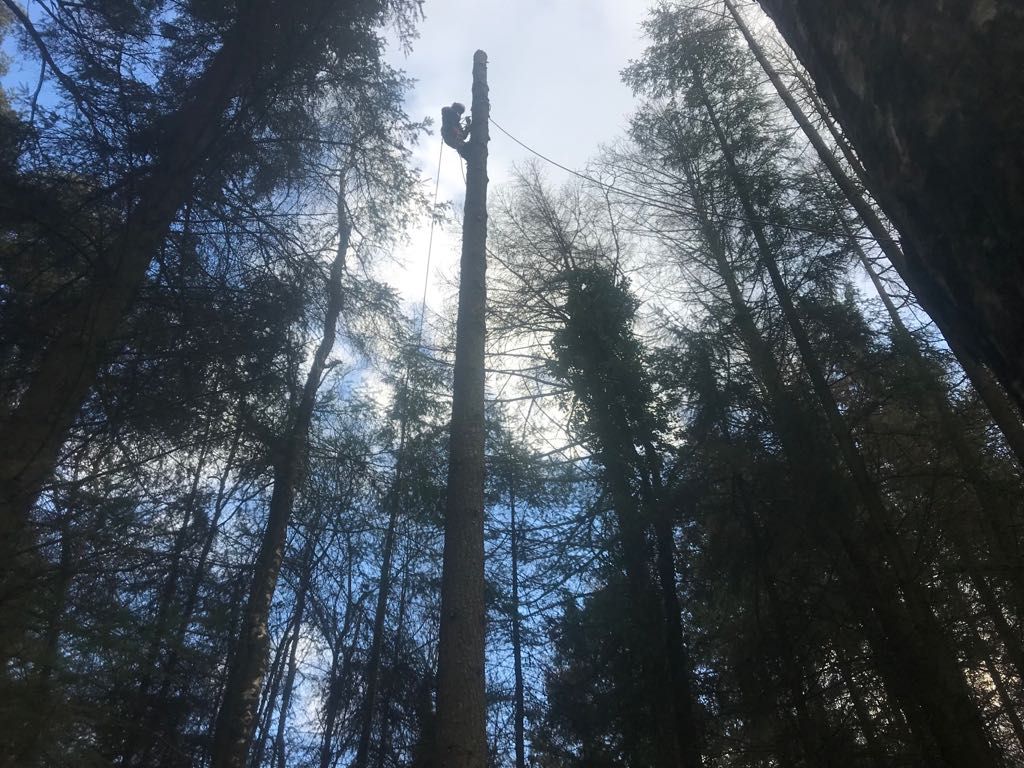
The Life Cycle of a Tree: From Sapling to Giant
Trees are some of the most complex and long-lived organisms on Earth. Their life cycle spans decades or even centuries, involving intricate biological processes and interactions with their environment. Let’s explore the fascinating journey of a tree, from seed to towering giant.
1. Seed Stage: Genetic Blueprint Encased
A tree’s life begins as a seed, which contains a dormant embryo and a supply of endosperm (nutrient tissue). Seeds are often adapted for dispersal – some have wings (like sycamore), others are encased in fruit (like apples) and some rely on animals for transport. The seed coat protects the embryo until conditions are right for germination – typically, adequate moisture, oxygen and the right temperature.
Some seeds require stratification (cold treatment) or scarification (physical abrasion) to break dormancy – evolutionary strategies to ensure germination occurs under optimal conditions.
2. Germination: Awakening from Dormancy
When a seed absorbs water (imbibition), metabolic processes resume. The radicle (embryonic root) emerges first, anchoring the seedling and absorbing nutrients. Next, the shoot (plumule) breaks through the soil, developing cotyledons (seed leaves) that begin photosynthesis.
This stage is energy-intensive and vulnerable. Many seedlings die due to damping-off disease (caused by soil fungi), herbivory, or competition for light and nutrients.
3. Sapling Stage: Rapid Growth and Development
As the seedling matures into a sapling, it begins secondary growth – the thickening of stems and roots via the vascular cambium. This meristematic tissue produces xylem (wood) and phloem (inner bark), enabling the transport of water, minerals and sugars.
Saplings invest heavily in vertical growth to outcompete surrounding vegetation for sunlight. Their bark is thin, and their root systems are still developing, making them susceptible to drought and mechanical damage.
4. Maturity: Reproduction and Ecosystem Integration
A tree reaches maturity when it begins to flower and produce seeds – a process known as reproductive maturity. This can take anywhere from five years (for willows) to over 80 years (for oaks). Mature trees exhibit:
- Annual rings: Layers of xylem that record each year’s growth, influenced by climate and soil conditions.
- Canopy development: A broad crown that maximises photosynthesis.
- Symbiotic relationships: Mycorrhizal fungi colonise roots, enhancing nutrient uptake in exchange for sugars.
Mature trees are keystone species in many ecosystems, supporting biodiversity by providing food, shelter and microclimates.
5. Senescence and Decline: The Aging Process
As trees age, their growth slows, and they become more susceptible to pathogens, pests and environmental stress. Hollow trunks, dead branches and fungal fruiting bodies are common signs of senescence.
However, old trees remain ecologically valuable. Veteran trees support unique communities of lichens, beetles and cavity-nesting birds. Some species, like yews, can regenerate from old wood, blurring the line between life and death.
6. Death and Decomposition: Returning to the Earth
Eventually, trees die – whether from disease, lightning, windthrow or human activity. But death is not the end. Decomposing wood recycles nutrients into the soil, supports fungi and invertebrates and creates space for new growth.
In forests, this cycle is continuous. Dead trees, or snags, are vital habitats and nurse logs (fallen trunks) often host seedlings, continuing the cycle.
Final Thoughts
The life cycle of a tree is a story of resilience, adaptation and interdependence. From a microscopic embryo to a towering organism that shapes entire ecosystems, trees are living testaments to the power of time and nature.
Understanding this cycle deepens our appreciation for trees and underscores the importance of protecting them – not just for their beauty, but for the countless roles they play in sustaining life on Earth.