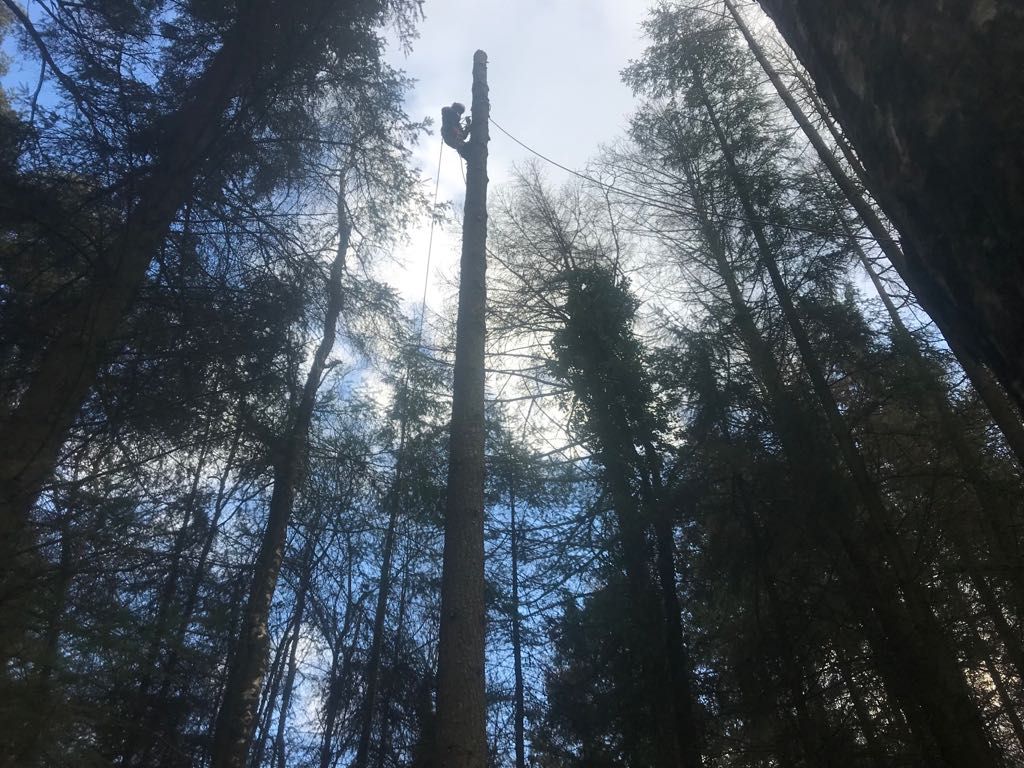
Tree Brace: The Science Behind Tree Bracing and Why It Matters
Trees are living structures, and like any structure, they sometimes need support. When a tree develops weak limbs or a compromised trunk, the risk of failure increases, especially during storms or under heavy foliage. This is where tree bracing comes in – a technique designed to stabilise and protect trees without resorting to removal.
What Is Tree Bracing?
Tree bracing is the process of installing flexible or rigid supports to help a tree withstand stress. It’s often used when a tree has structural weaknesses, such as split limbs, narrow forks or damage caused by wind. By bracing trees, arborists can reduce the likelihood of breakage and extend the life of the tree.
Unlike tree removal, bracing is a proactive measure that preserves the tree’s natural beauty and ecological benefits. It’s particularly valuable for mature trees that hold historical or aesthetic significance.
Why Use Tree Cables and Braces?
Tree cables and braces act like safety nets. They redistribute weight and limit movement in vulnerable areas, preventing catastrophic failure. This is essential for trees near homes, roads or public spaces where falling branches could pose a serious hazard.
Bracing is not a one-size-fits-all solution. The system chosen depends on the tree’s species, size and condition. For many UK homeowners and property managers, the preferred choice is the Cobra tree bracing system.
The Cobra Tree Bracing System Explained
The Cobra tree bracing system is a modern, non-invasive method that uses strong, flexible ropes instead of rigid steel cables. This system is designed to:
- Absorb shock during high winds
- Allow natural movement so the tree can strengthen over time
- Avoid drilling into the tree, reducing the risk of infection
Unlike older methods that relied on bolts and wires, Cobra bracing is kinder to the tree and easier to adjust as it grows. It’s ideal for preserving heritage trees and maintaining safety without compromising health.
When Is Tree Bracing Needed?
Tree bracing is recommended when:
- A tree has a split trunk or weak fork
- Heavy limbs threaten to break under their own weight
- The tree is exposed to high winds or storm damage
- Removal is not desirable due to heritage or landscape value
If you notice cracks, leaning branches or unusual movement, it’s time to consult a professional. Acting early can prevent costly damage and keep your outdoor space safe.
Safety and Emergency Considerations
Tree bracing is part of a broader approach to health and safety in arboriculture. In some cases, bracing may be combined with pruning or crown reduction to reduce stress on the tree. If a tree is beyond saving, emergency tree removal may be necessary to protect property and people.
Why Choose Belmontrees for Tree Bracing?
At Belmontrees, we specialise in advanced tree care techniques, including Cobra bracing. Our team understands the science behind structural support and uses industry-leading systems to keep your trees healthy and secure.
Whether you need a tree brace for a cherished oak or advice on managing storm damage, we’re here to help.
FAQs About Tree Bracing
A Cobra tree bracing system typically lasts 8–12 years, depending on the tree’s growth and environmental conditions. Regular inspections ensure it remains effective.
No. Modern systems like Cobra are non-invasive and allow natural movement, reducing stress and avoiding damage to the trunk.
Most trees can be braced, but suitability depends on species, size and structural condition. A professional assessment is essential.
Not always. Bracing is designed to support the tree while it strengthens naturally. In some cases, additional pruning or removal may be necessary.
Costs vary based on tree size and complexity. Contact us for a tailored quote.